

Exploring Clan Macdonald heritage throughout the Highlands and Hebrides
As Scotland's largest and once most powerful clan, the legacy of the Macdonalds – the Lords of the Isles – stretches across swathes of the Scottish Highlands and Hebridean Islands. While their ancient strongholds (such as Castle Tioram above) now stand as atmospheric ruins, you can immerse yourself in Clan Donald history at multiple locations throughout the region including Culloden Battlefield, Glencoe, Glenfinnan, the Isle of Skye.
Popular Clan Macdonald heritage sites
Following the forfeiture of the Lordship of the Isles in the late 15th century, the great clan fractured into distinct branches, leaving an incredible trail of heritage sites across the Highlands and Hebrides. For travellers searching for their ancestral roots today, these are some of the core locations not to be missed:
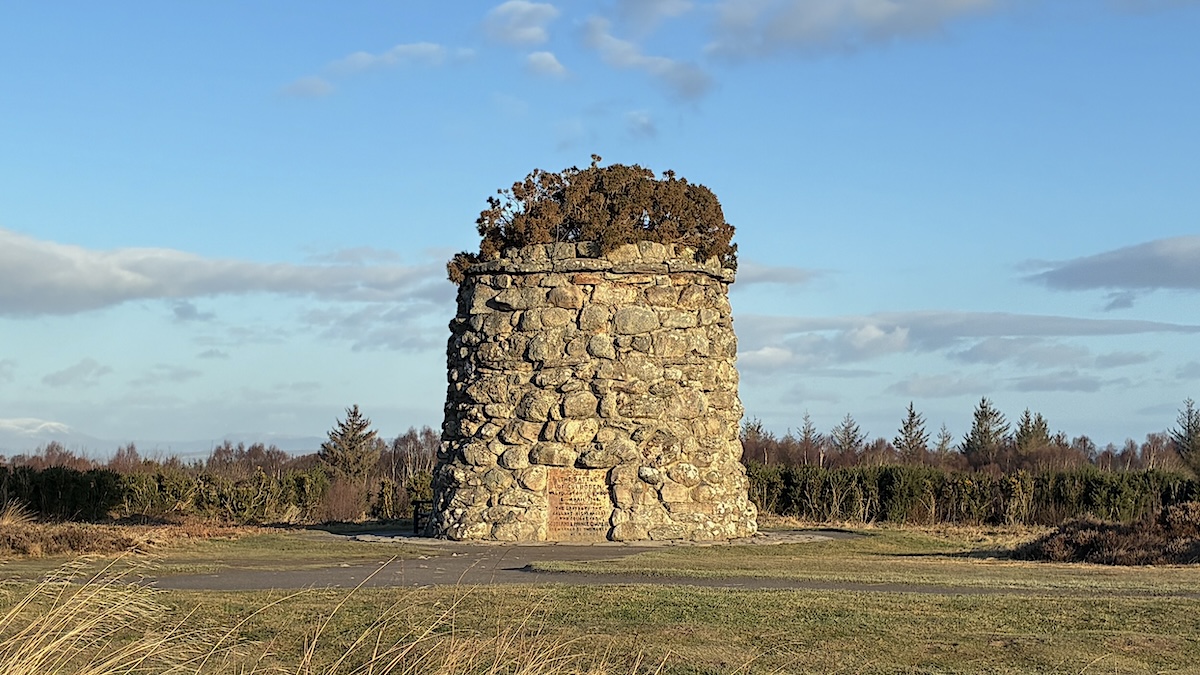
- Culloden Battlefield: The poignant moorland outside Inverness where the final Jacobite Rising met its end in 1746. Clansmen from multiple branches of Clan Donald – including Clanranald, Keppoch, Glencoe and Glengarry – stood on the Jacobite frontline.
- Isle of Skye: The lands of the Macdonalds of Sleat have multiple heritage locations including Kilmuir (burial place of the famous Flora Macdonald), the fragmented ruins of Duntulm Castle, and the excellent Museum of the Isles in the grounds of Armadale Castle.
- Moidart: Perched on a tidal island, the spectacular ruins of Castle Tioram – ancestral home of the Macdonalds of Clanranald – stand as one of our most dramatic fortresses. Accessible to the exterior only at low tide, it offers a haunting window into the clan's past.
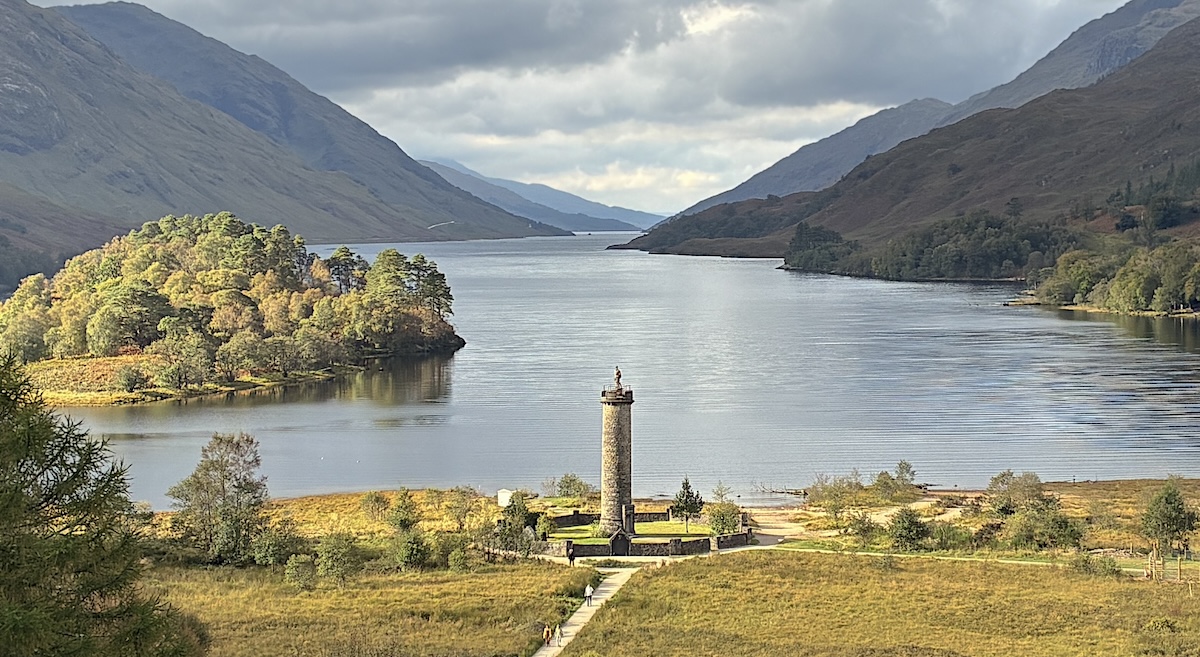
- Glenfinnan: The historic spot at the head of Loch Shiel where the 1745 Jacobite Rising officially began. It was here that many Macdonalds of Clanranald and Keppoch clansmen gathered with Charles Edward Stuart as the royal standard was raised.
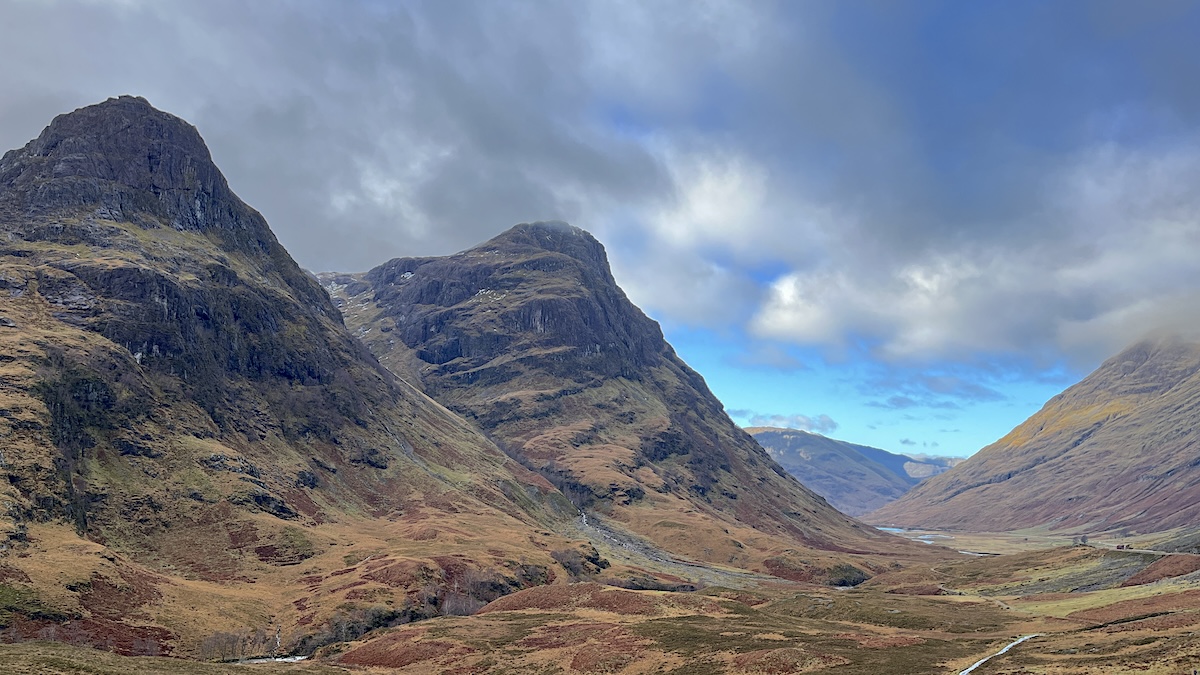
- Glencoe: A breathtakingly dramatic glen that stands as a landscape of solemn remembrance. This was home to the Glencoe Macdonalds who fell victim to the infamous Massacre of 1692, when government troops broke the Highland laws of hospitality.
- Isle of Iona: The ecclesiastical capital of the Lordship of the Isles for generations. The early Macdonald chiefs heavily endowed Iona Abbey and the nunnery, and it is the final resting place of several senior clan figures.
- Isle of Islay: The ancient heartland of the Lordship of the Isles is home to Finlaggan, from where the early Macdonald chiefs ruled over their Highland and Hebridean kingdom, and the ruins of Dunyvaig Castle, ancestral home of the Macdonalds of Dunyvaig and the Glens.
How to explore Clan Macdonald heritage sites
All of these historic locations can be explored independently by car (ferries required for Iona and Islay) – with only light walking required to reach each site – if you have the time to plan the logistics.
However, if you prefer a private tour, take a look at my dedicated 4 Day Clan Macdonald Tour, following the lands of the Sleat, Clanranald, Glencoe, Keppoch and Glengarry branches from Inverness across the Highlands and the Isle of Skye.
Many of these iconic locations are also already core highlights along my standard Isle of Skye touring routes. Because these are private tours, I can tailor the daily focus of any of them to prioritise Clan Macdonald heritage sites. Simply choose your preferred tour and request a Clan Macdonald focus in the 'Extra Information' section when completing a Tour Enquiry Form.
P.S... As my own name gives away, this clan's story is close to home for me – Macdonald history has shaped my own family as much as my academic research, which is part of why I enjoy guiding it so much.